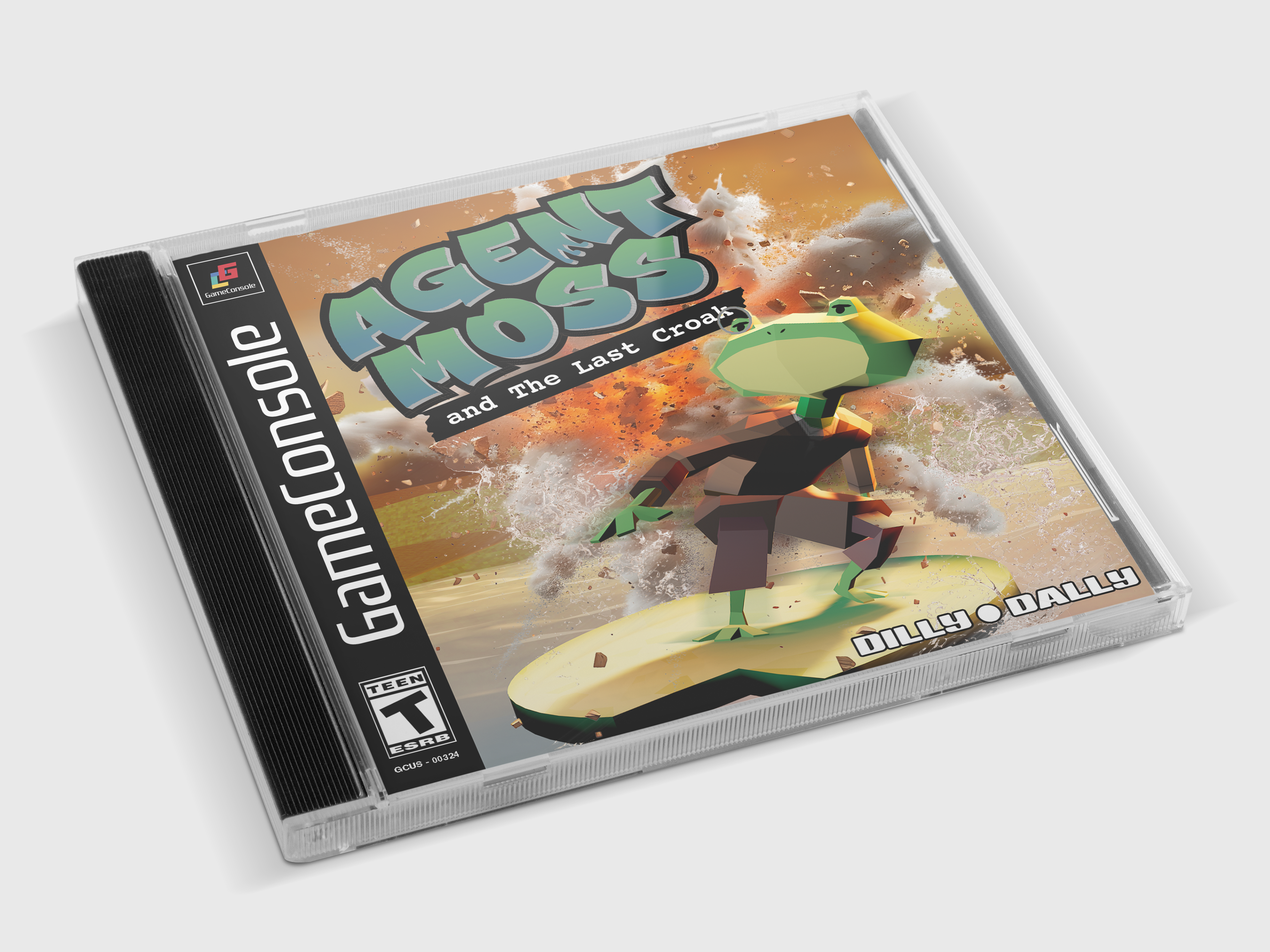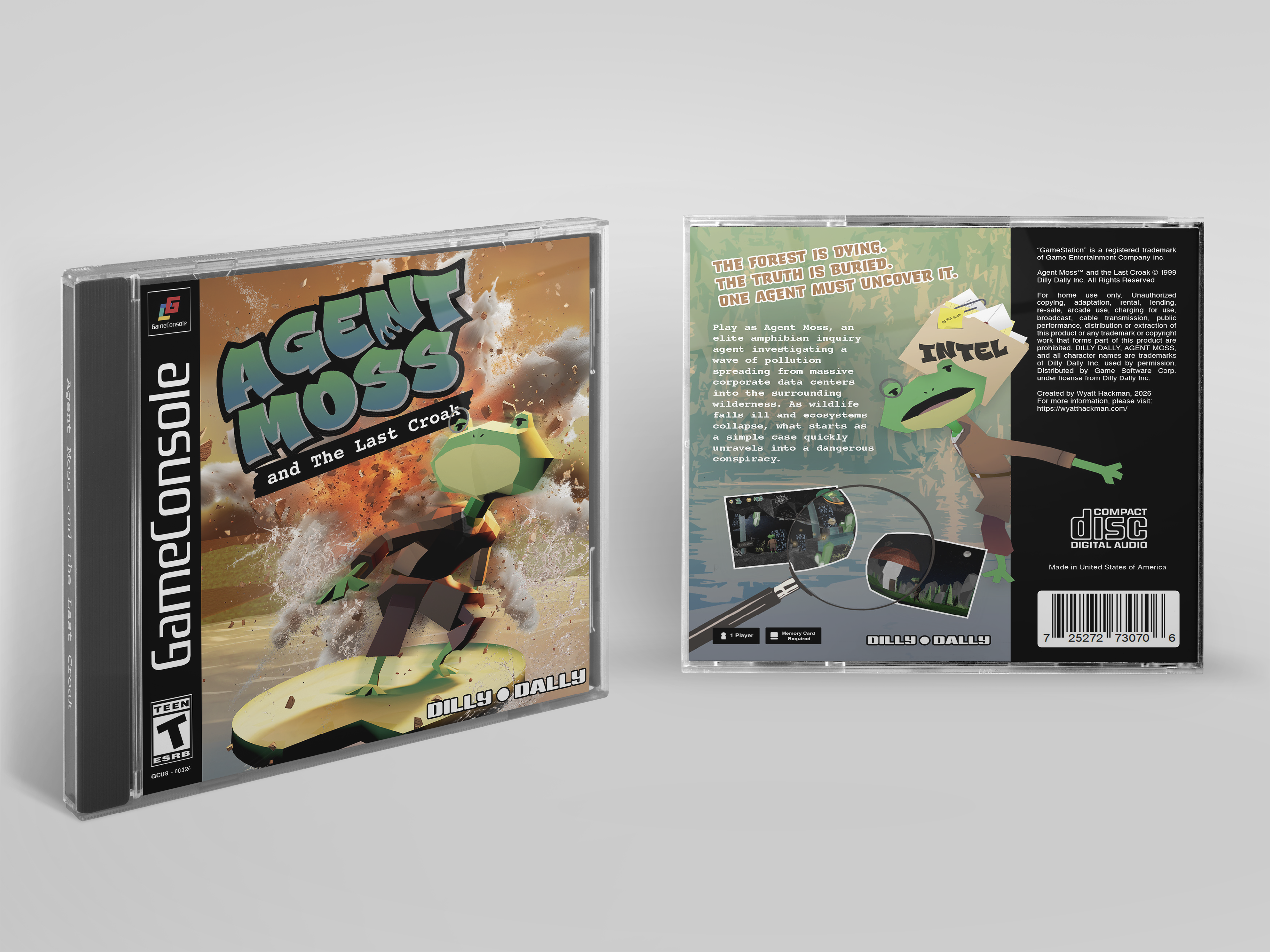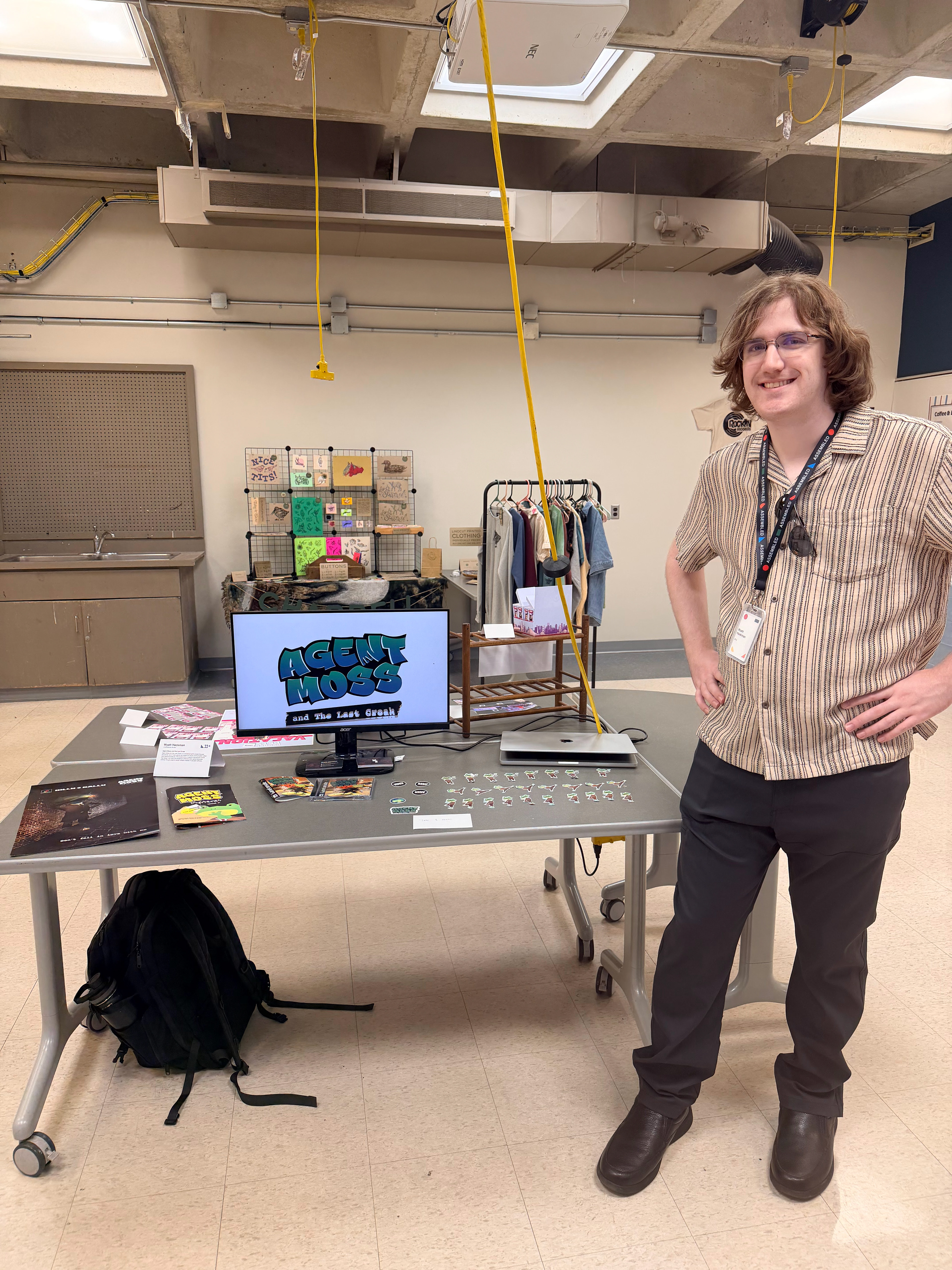
Agent Moss and the Last Croak is a conceptual game project focused on the use of video games as systems of visual communication rather than technical products. The project aims to explore the mechanical context in which gameplay can be created through design and construct a fictional video game that exists entirely through graphic design artifacts instead of playable software.
In Agent Moss and the Last Croak, you control Agent Moss, an elite amphibious inquiry agent investigating a wave of pollution spreading from massive corporations into the surrounding wilderness. As local wildlife falls ill and ecosystems collapse, what starts as a simple case quickly unravels into a dangerous conspiracy.
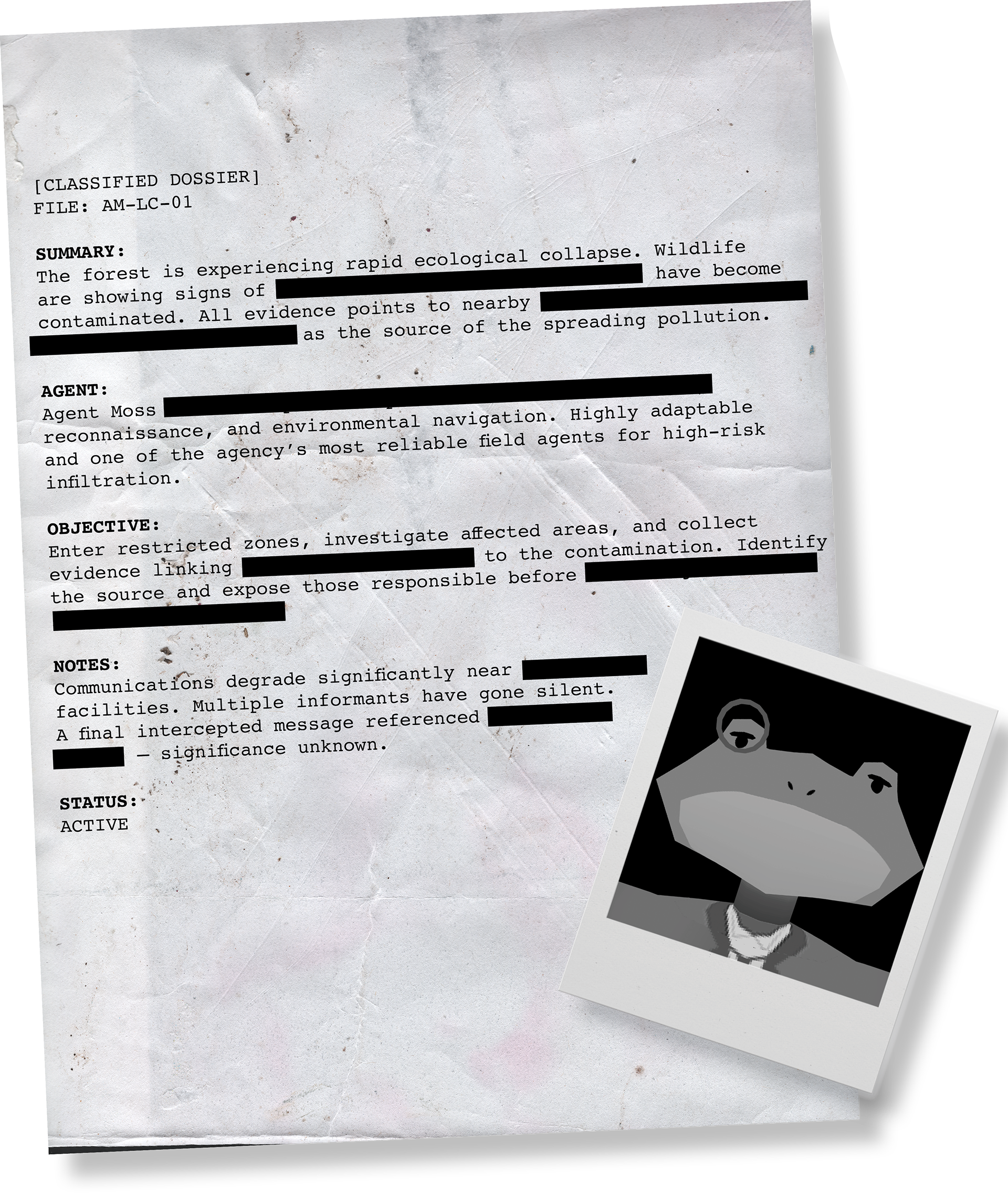

I decided early on in the project that I wanted to explore working in 3D, as I’ve recently found it a medium I thoroughly enjoy working in. I felt that if I was going to move into 3D, a platformer would be a good approach, as 3D platformers are, in my opinion, a very iconic genre of video games. Additionally, I chose to create my assets in a low-poly/retro style as it would not only be more manageable to work with but also establish a vintage look and feel.
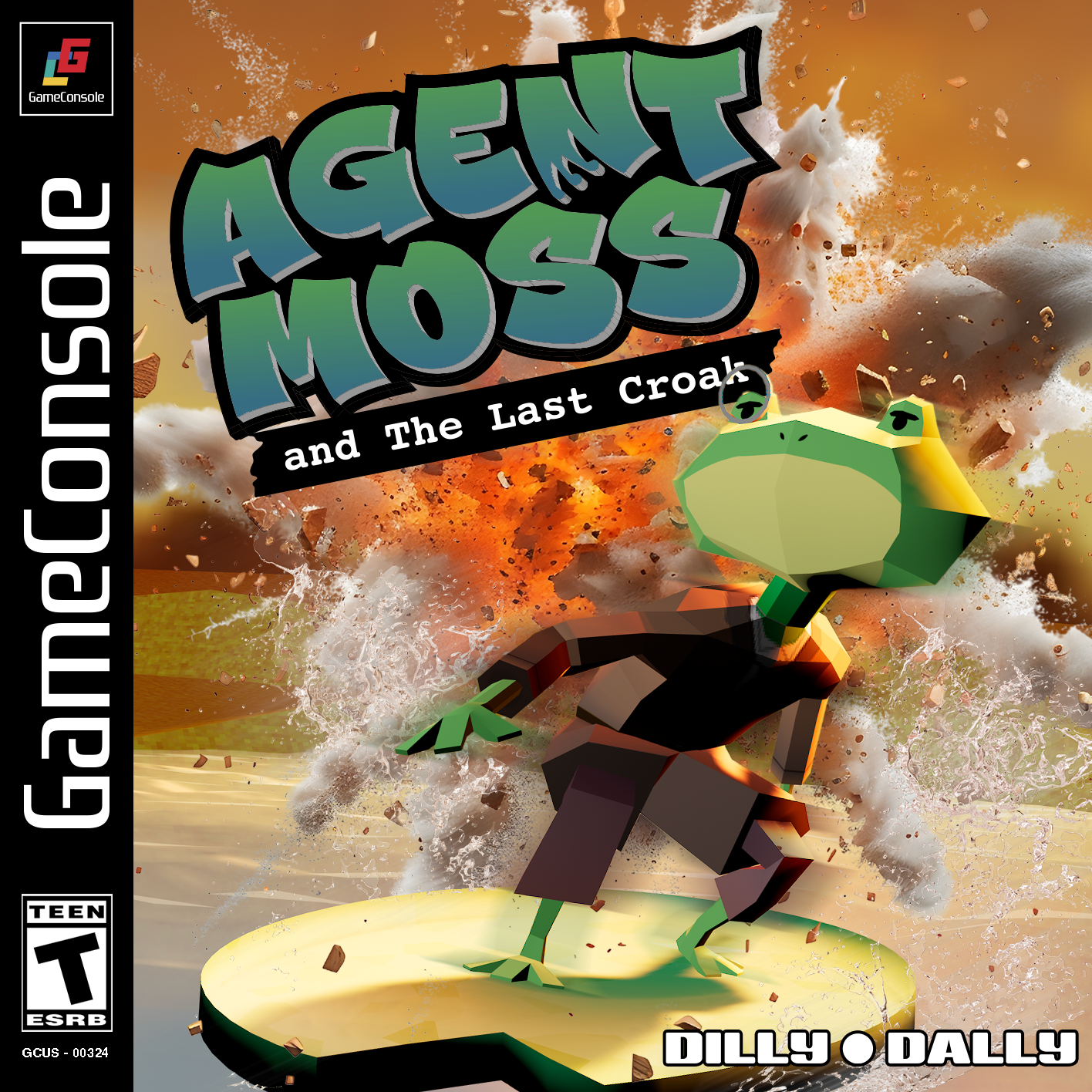
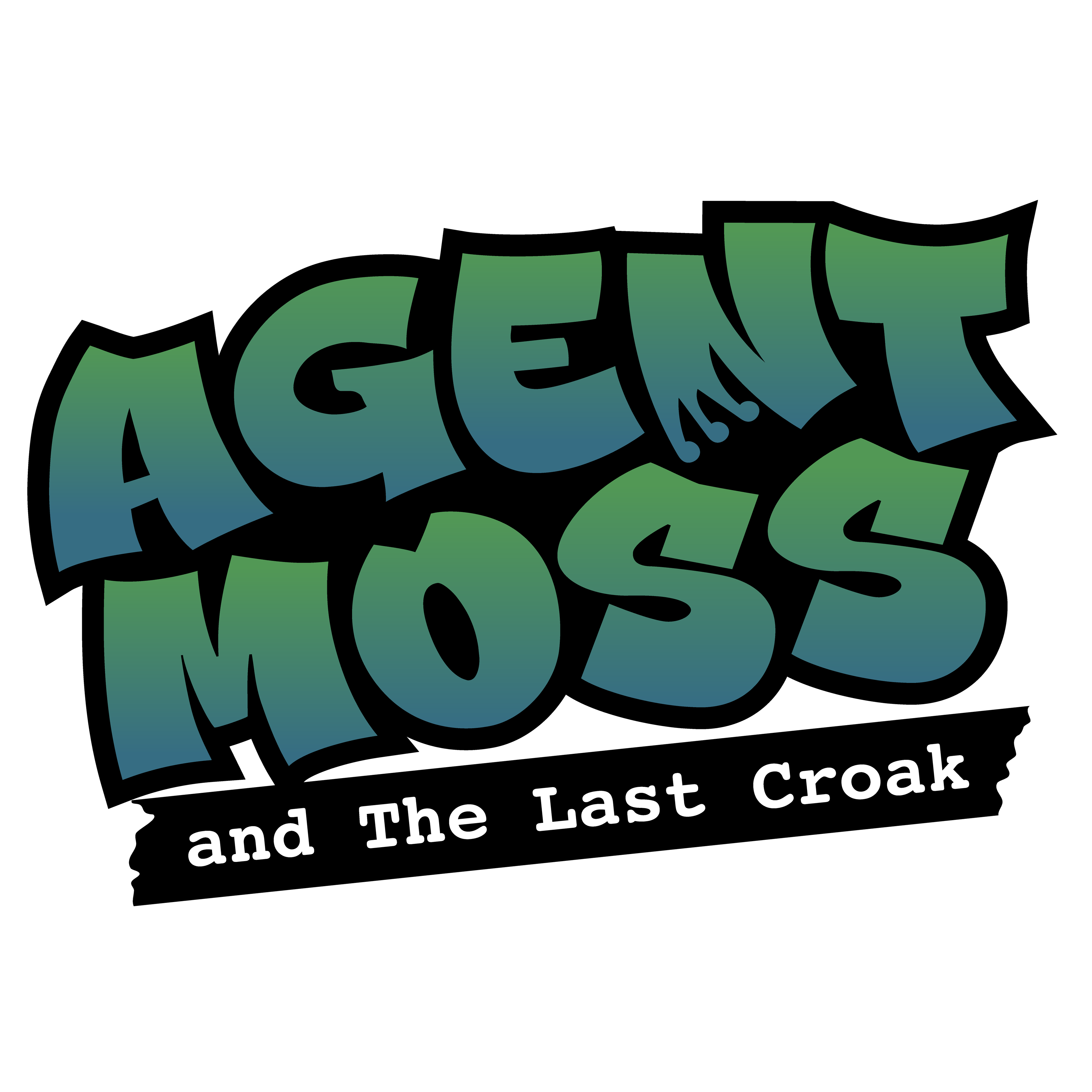
For the logo and other elements, I very much aimed to create imagery that would fit next to other similar games while retaining a distinct visual style. I primarily utilized a more graffiti-style typeface titled CCSchools Out, as it established a cartoony style that I felt matched the intended look and feel. In addition to that, I also made use of the typeface Courier for its professional
dossier/typewriter look.
dossier/typewriter look.

Logo Progression
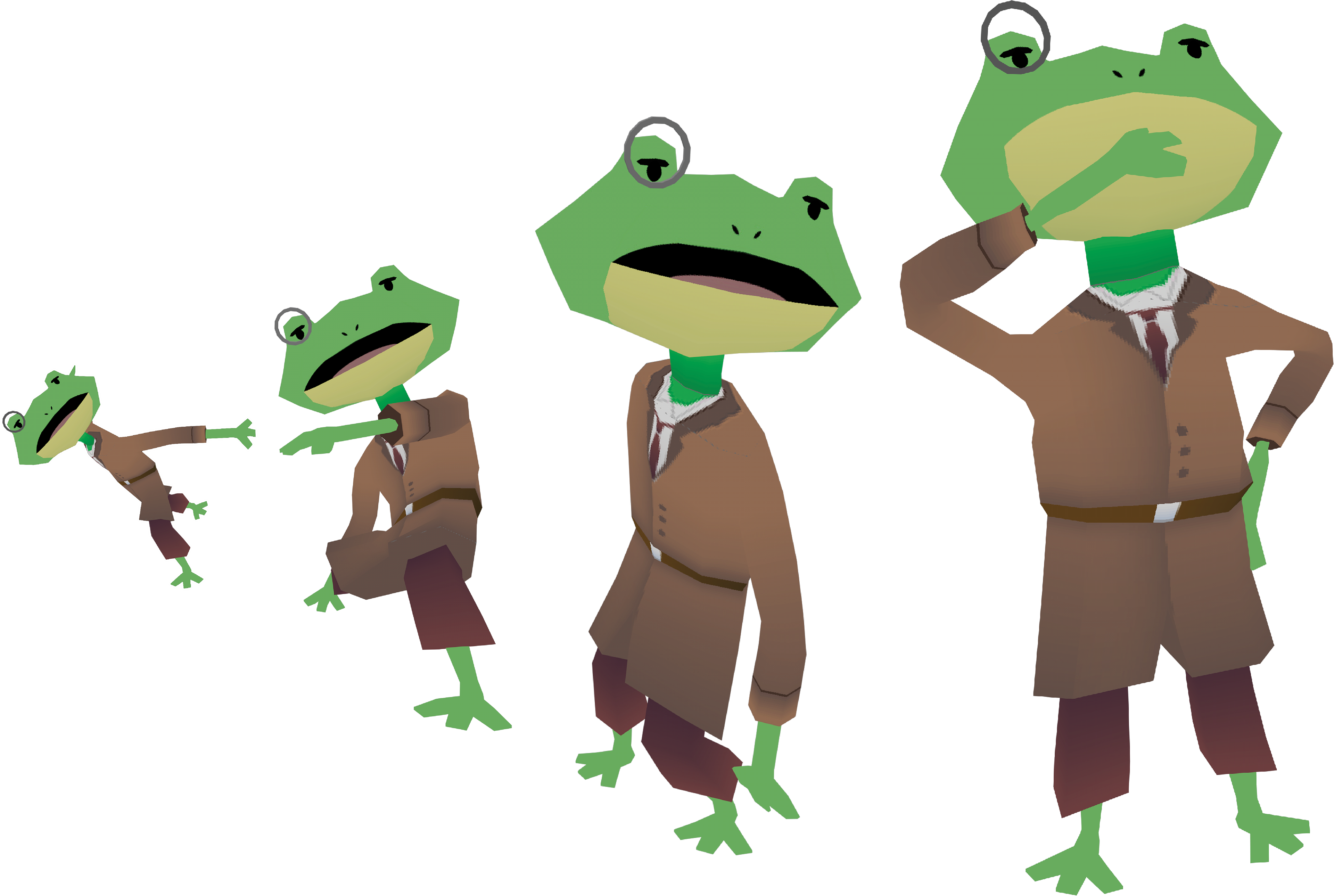
Jumping is an integral part of a 3D platformer, and I felt as though the playable character should be some type of animal mascot reminiscent of similar characters that were very popular in the 90s and early 2000s. A frog seemed to fit quite well due to its great jumping capabilities, and other ideas eventually began to come from the potential character.
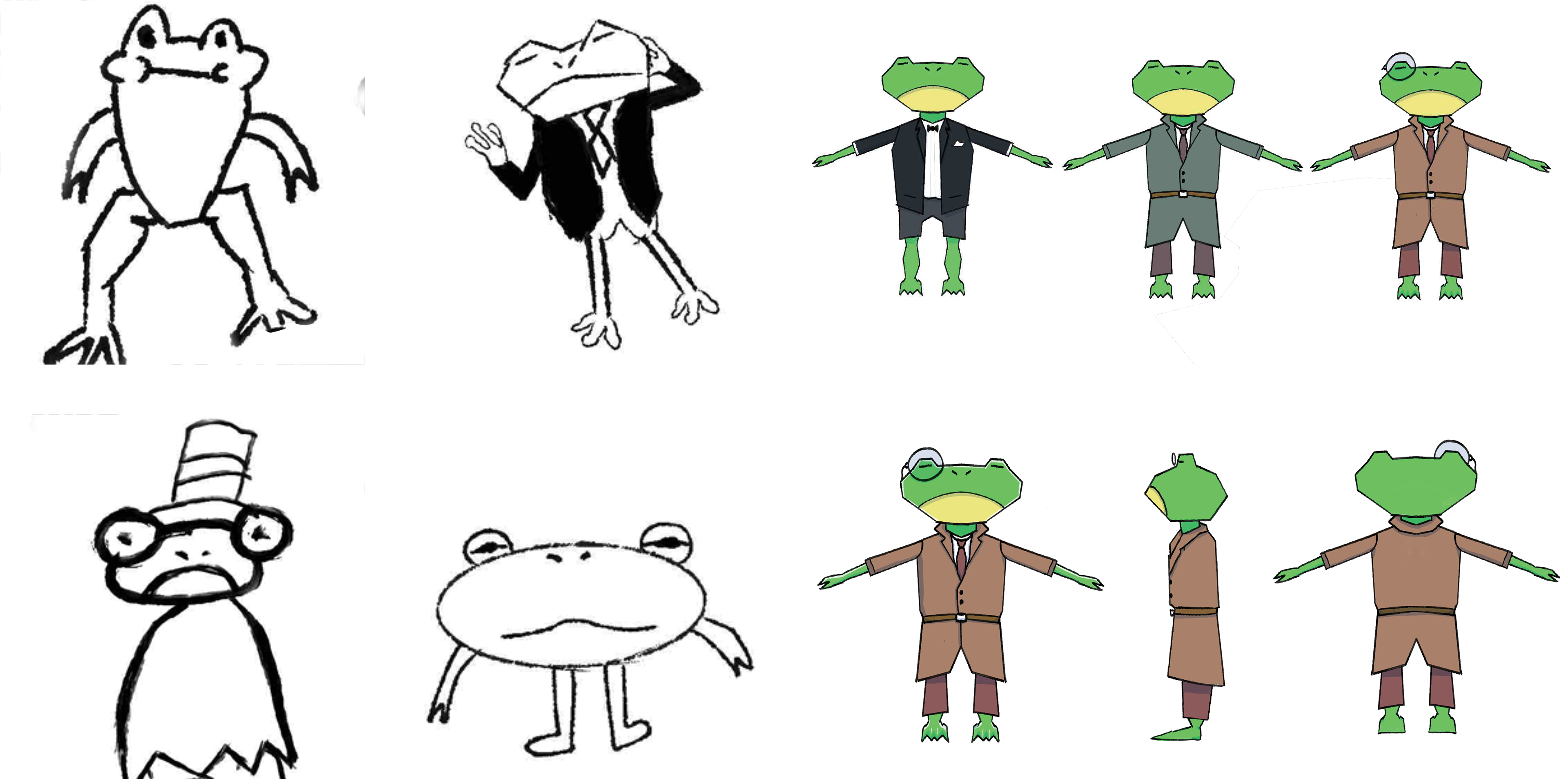

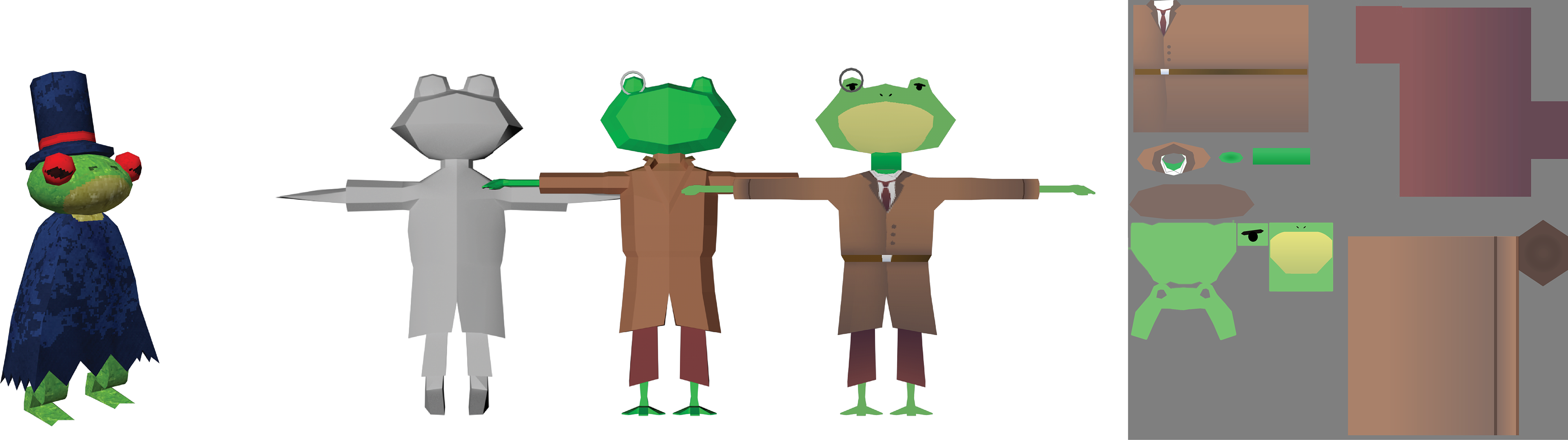
The most difficult part of the design process was nailing the character design for Moss. A significant amount of time was spent not only creating a design that I liked but also translating it properly to 3D. I ran a few initial modeling tests to learn the tools and features of Cinema 4D, the software I was working with. In the long run, these tests help me realize my concepts to their fullest potential.
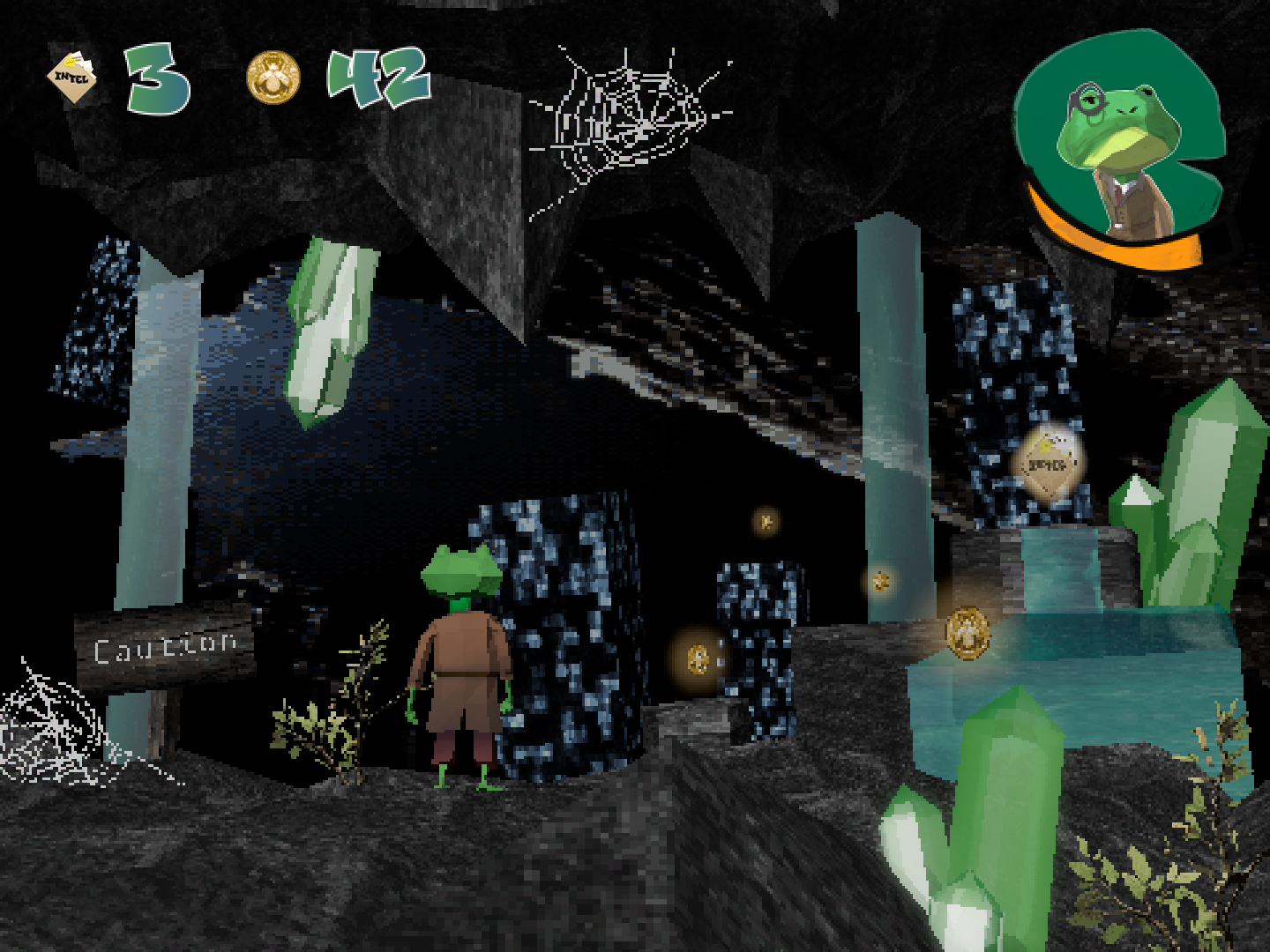
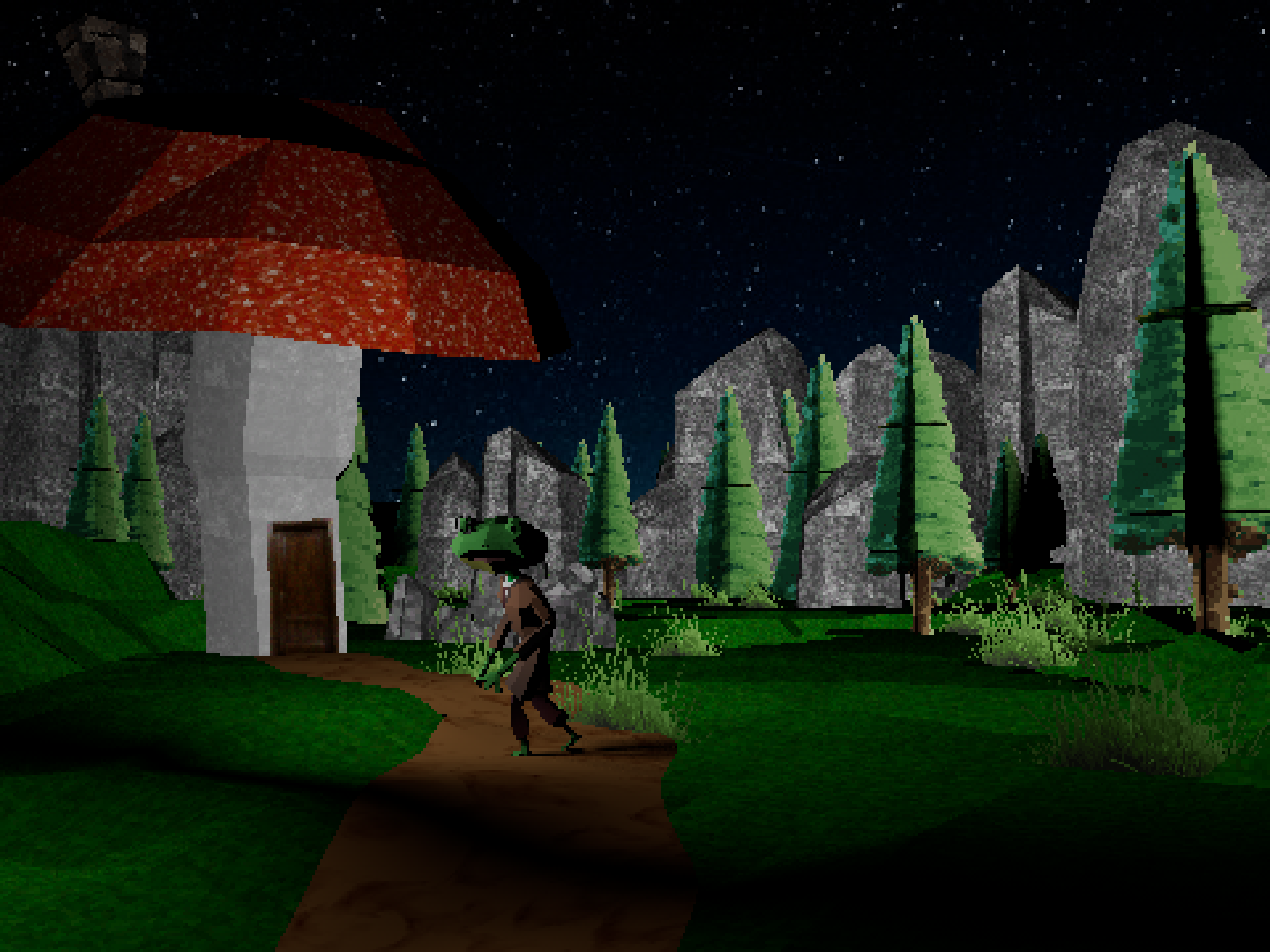
Another aspect of this project I wanted to delve into was creating implied gameplay screenshots. For the many textures in the screenshots, I made use of a fair amount of stock imagery that I heavily modified to give it the sort of low-resolution pixelated look much of the imagery of the era often had. The scenes themselves are being constructed specifically for the view from the render camera. The scenery itself was accomplished by either projecting images onto flat planes that faced the camera or through very simplistic geometry. These scenes were then rendered at low resolution and harshly upscaled to larger resolutions. Renders were also created in a 4:3 aspect ratio to mimic the image resolutions of games that were released at the time.